

OUR CIRCLES / PROJECTS
Cultural Knowldge Revival
Together with Kenge Content Hive and the Samia community in Kenya, we document and share ancestral knowledge, connecting generations and keeping cultural practices alive.
In collaboration with:
the Story
Keeping ancestral knowledge alive
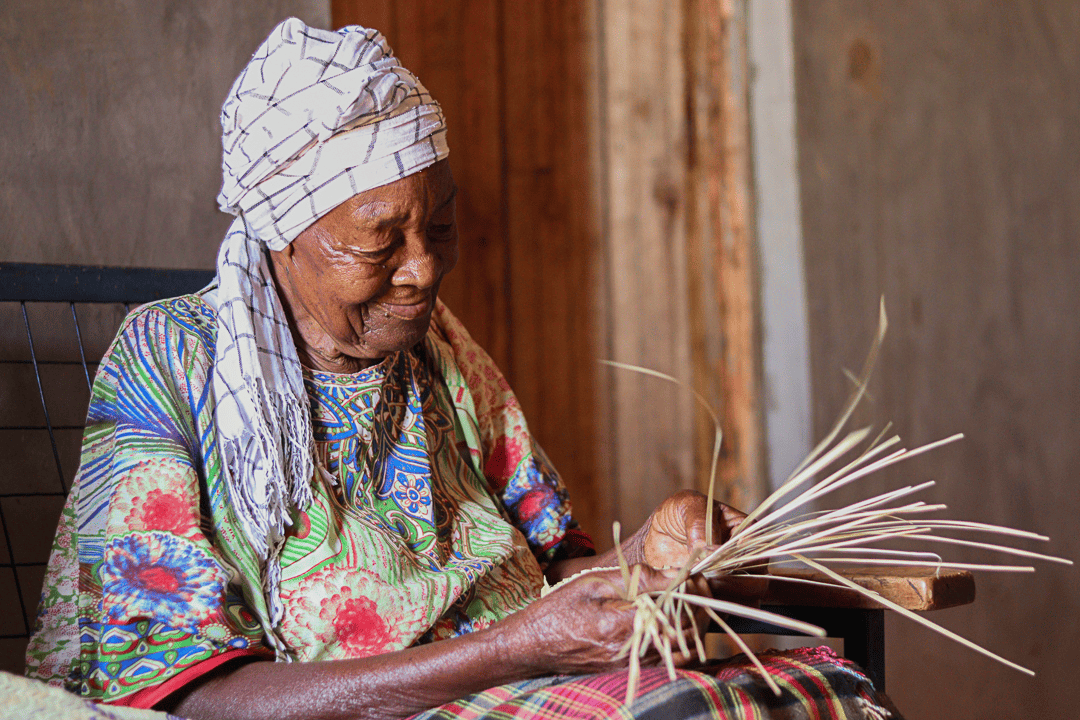
For generations, Samia elders have carried knowledge, stories and practices shaped by their relationship with the land, water and living world around Lake Victoria. This ancestral knowledge holds valuable insights into local ecosystems, traditional ways of living and the ways communities have adapted to environmental change. Yet, as younger generations become increasingly disconnected from these traditions, opportunities to learn from elders are diminishing, putting both cultural heritage and valuable knowledge for climate resilience at risk.
Together with Kenge Content Hive, we set out to explore how Samia knowledge could be documented, celebrated and shared in ways that connect generations and contribute to climate resilience and regeneration. Through interviews with elders and research into Samia culture, we gathered stories and insights that reveal the connections between cultural heritage, ecological knowledge and community life. We then used design and storytelling to bring these insights to life through formats that resonate with younger generations. By keeping ancestral knowledge alive and creating new opportunities to learn from it, the program seeks to strengthen cultural identity, nurture intergenerational relationships and support locally rooted approaches to caring for the environment and regenerating the future.
How we gathered
Through research, intergenerational exchange and creative storytelling, we gathered Samia ancestral knowledge to explore how cultural continuity can contribute to climate resilience, climate justice and regeneration.
Researching Samia knowledge
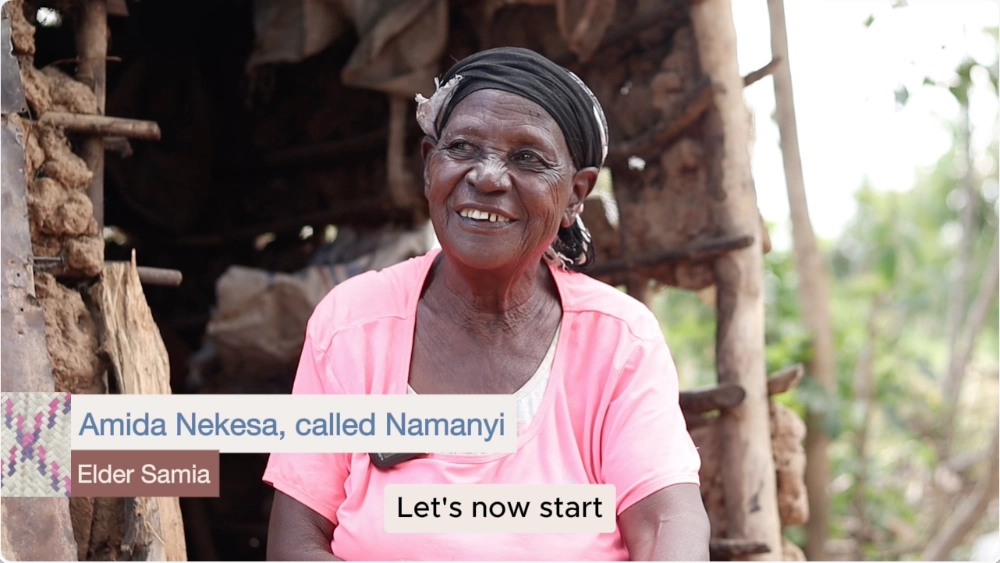
The program began with research into Samia culture, building on existing studies and interviewing local elders about their knowledge, traditions and experiences. Across two phases of interviews, the local team spoke with eight elders, gathering insights that were developed into research reports and an analysis of key cultural themes. Photography and video were also used to document the interviews, helping preserve the stories and knowledge shared. Through this process, we explored how ancestral knowledge connects cultural identity with relationships to the natural world, and how locally rooted practices and ways of understanding the environment can contribute to climate resilience. Alongside this, we interviewed Kenyan designers to better understand the local design landscape and explore how design could support climate justice and regenerative approaches grounded in local knowledge.
Sharing culture with the youth
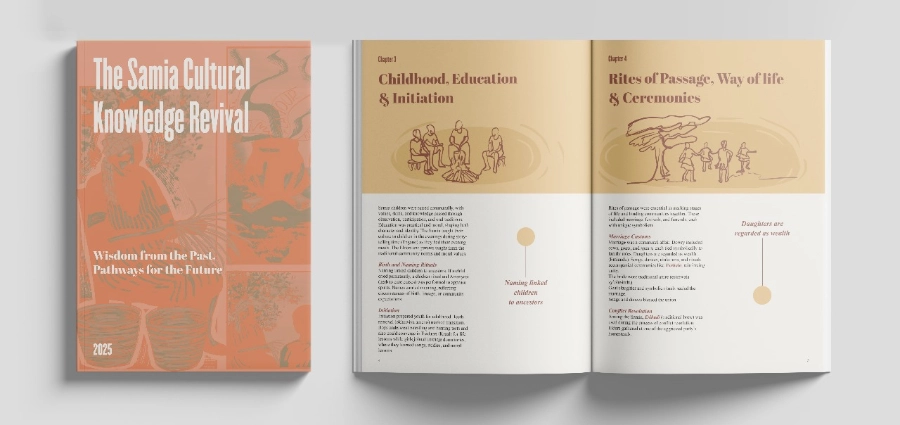
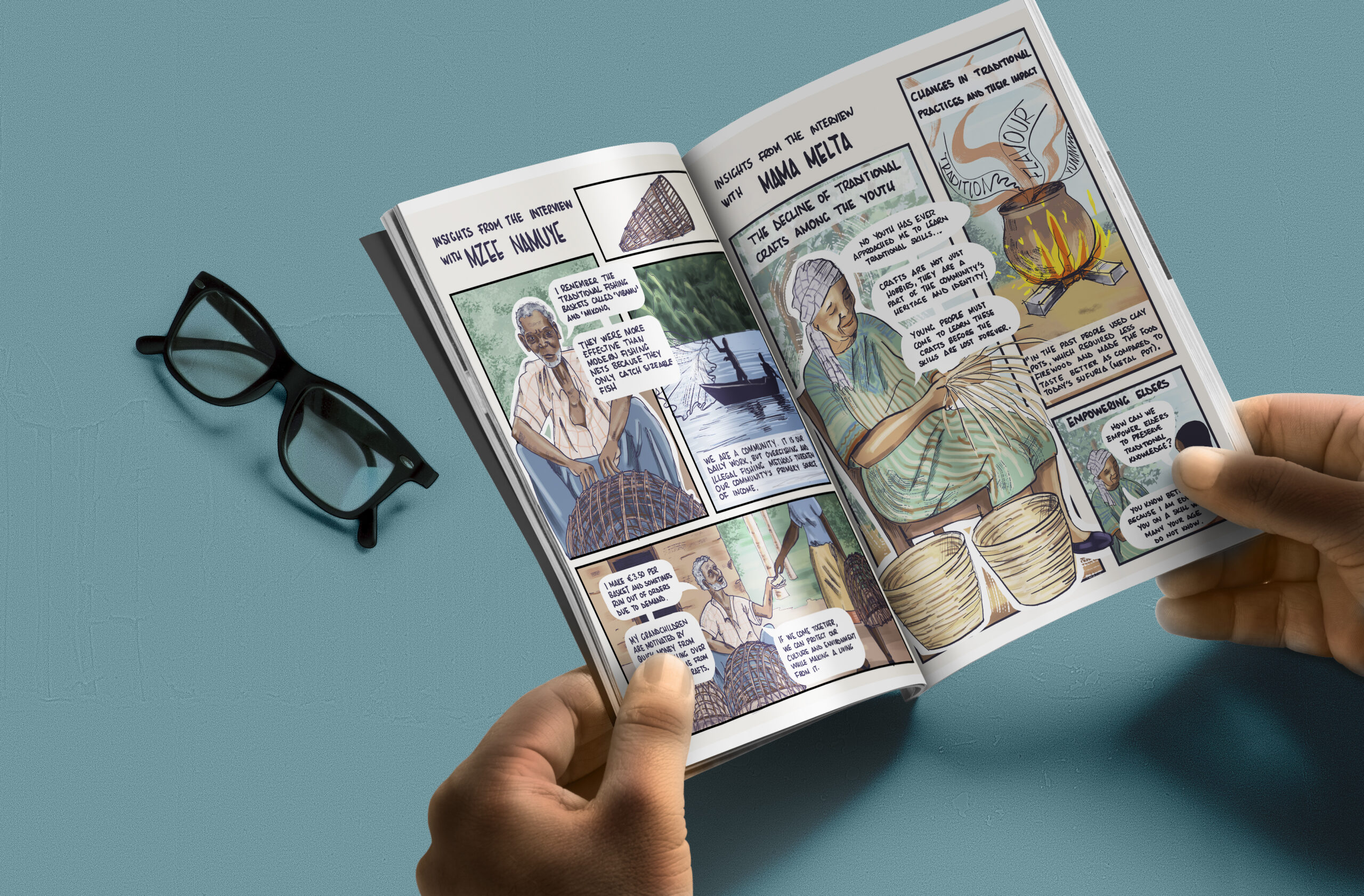
Building on the research, we worked with Kenge Content Hive to transform the elders’ stories into formats that could connect with younger generations. We created wisdom cards featuring quotes from the interviews, video interviews in the local language, a book bringing together Samia cultural heritage and research, and comic strips inspired by the elders’ stories. The videos made the interviews accessible to local Samia youth and audiences beyond the community, while the comics translated traditional knowledge into a visual format for young people. These outputs are more than ways of preserving cultural heritage: they create opportunities to reconnect younger generations with knowledge that can inform how communities care for their environments and respond to ecological change. By valuing local knowledge and supporting its transmission across generations, the program contributes to a broader vision of climate justice and regeneration in which cultural continuity and ecological wellbeing are interconnected.
join us
Do you want to support?
Research and documentation
Continue recording and preserving the knowledge of Samia elders.
Storytelling and content creation
Develop engaging ways to share ancestral knowledge with younger generations.
Funding and partnerships
Support the development and wider distribution of the project’s resources.
THE TEAM
Who makes it happen

STORIES AND NEWS
Stories about the project
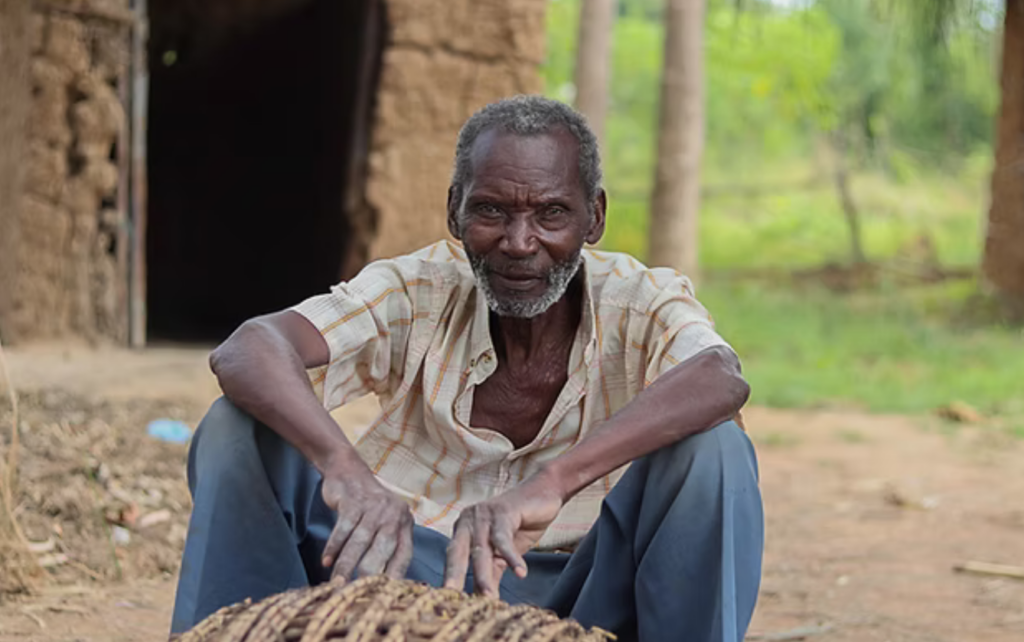
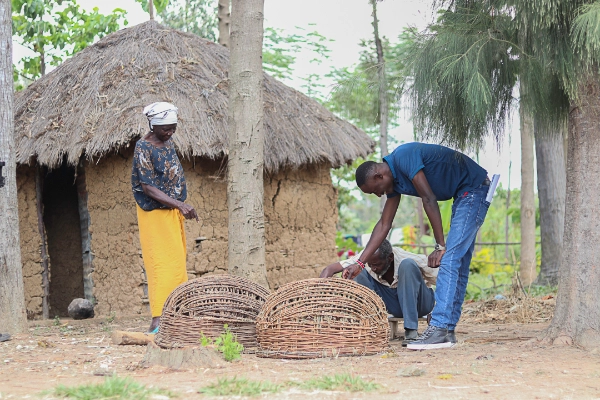
The Art of Traditional Craft: How Mzee Edward’s Skills Can Inspire Modern Designers.
Mzee Edward Namuye, photo by Obosh Pixels Mzee Edward Namuye from Busijo Village in the Samia community is a skilled artisan dedicated to traditional craftsmanship. At 76 years old, he has spent his entire life making chicken coops (Amadiri,) a craft that has sustained and helped him educate his children. Beyond chicken coops, Mzee Edward […]
READ MORE